Sunrooms in Jekyll Island, GA by Eicher’s Pro Vinyl
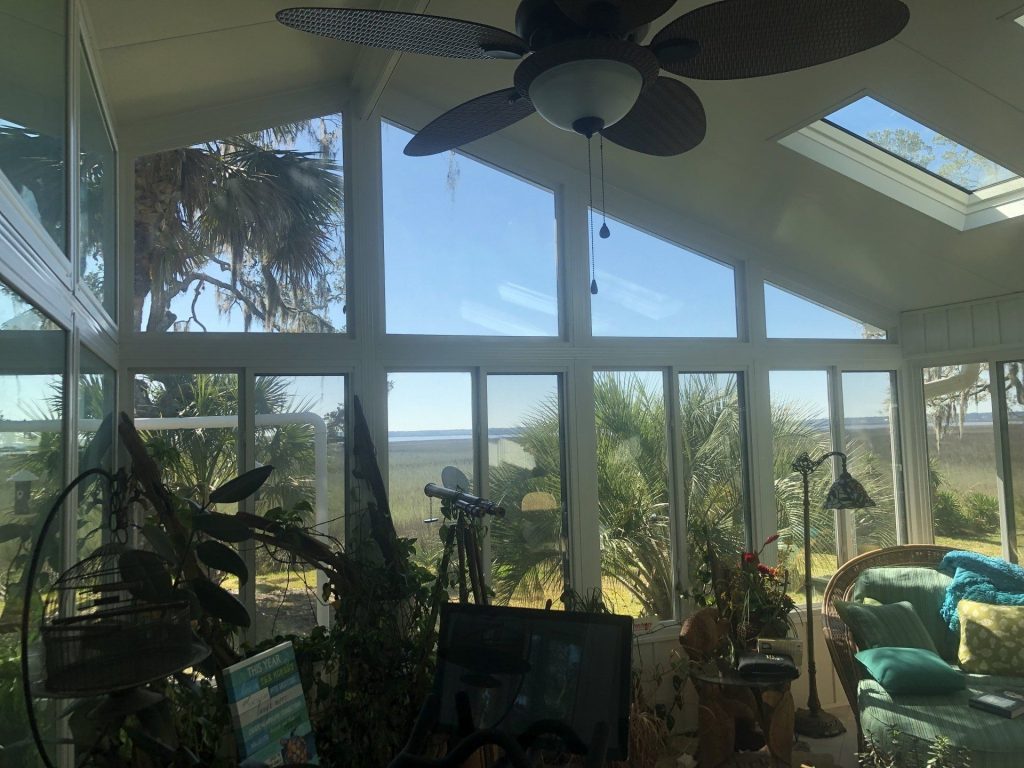
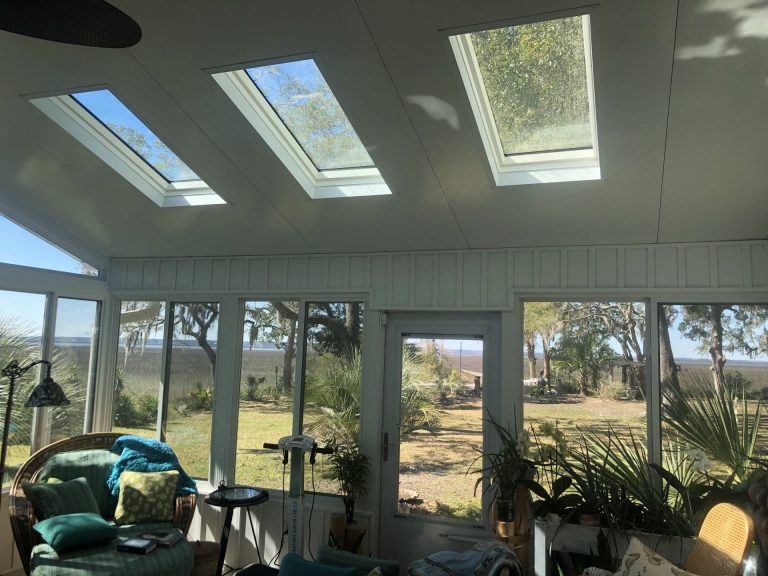
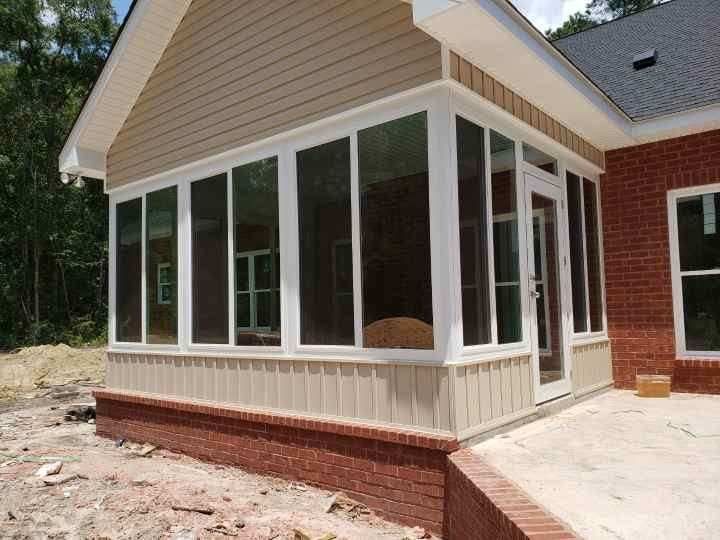
Eicher's Pro Vinyl installs custom sunrooms in Jekyll Island, GA using our own employees, never subcontractors, and backs every installation with a 5-year workmanship warranty and a free in-home estimate. The average home in this part of Glynn County was built around 1986, which means many island residents are working with older floor plans that simply did not account for how much time people actually want to spend watching the marsh, the oaks, and the ocean light shift through the day. A well-built sunroom changes that without the cost or disruption of a full addition.
Three-Season vs. Four-Season: Which Sunroom Actually Fits Jekyll Island's Climate
This is the comparison most Jekyll Island homeowners should start with before anything else. Jekyll Island sits about one mile from the coast, in a hardiness zone that rarely sees a hard freeze, but it does see 2,724 annual cooling degree days and summer high temperatures averaging 87.3 degrees. That combination tells you something important: a room that is comfortable in March can become an oven by July if it is not built with the right glass and framing.
A three-season sunroom uses standard glass or screens, works well from October through May, and costs less upfront. For a barrier island with a climate this warm, though, many homeowners find they stop using a three-season room exactly when they most want to be in it. A four-season sunroom adds insulated framing, low-E glass, and HVAC integration, so the room stays livable through a Georgia summer.
- Three-season rooms are a strong fit if your primary goal is a screened outdoor living space during the cooler months and you have a covered porch to retreat to in August.
- Four-season rooms make sense if you want a true additional living area, a home office, or a breakfast room that you will use 12 months a year.
- Both options can include our 20/20 gnat-resistant screens, which matter on Jekyll Island where sand gnats are a real daily concern along the marsh edges.
We walk through both options during your free in-home estimate so you can weigh the cost difference against how you actually plan to use the space.
What High Termite Risk and a Dense Tree Canopy Mean for Your Sunroom Frame
Jekyll Island carries a Very Heavy termite risk rating, and the island’s high tree canopy means organic debris, moisture, and shade are constants around most homes. Those two facts together have a direct impact on what your sunroom frame should be made of.
Wood frames look traditional and are easy to work with, but in a Very Heavy termite zone, a wood-framed sunroom addition requires diligent treatment and inspection to avoid costly damage over time. Vinyl and aluminum composite framing eliminates that vulnerability entirely. There is nothing for termites to eat, no wood fiber to absorb the moisture that accumulates under a heavy canopy, and no annual treatment schedule to keep up with.
At Eicher’s Pro Vinyl, we use vinyl and aluminum composite framing systems specifically because they hold up in coastal Georgia conditions without demanding the maintenance that wood requires. The frames will not rot, warp, or become a food source for the subterranean termites that are common in Glynn County’s soil.
- Vinyl framing does not require painting or staining over time.
- Aluminum composite thresholds and sill plates resist the moisture that collects under dense tree cover.
- Both materials are compatible with low-E glass packages that reduce solar heat gain on those long summer afternoons.
If your home is on the older side, which many Jekyll Island properties are given the average build year of 1986, this is also a good moment to confirm that the existing foundation and wall framing are sound before adding a room. Our team walks through that conversation with you before work begins.
See your sunroom options with a free in-home estimate on Jekyll Island.
Glass Options Worth Comparing: Standard, Low-E, and Impact-Rated for a Barrier Island
Jekyll Island has high hurricane exposure, and that fact alone moves impact-rated glass from a luxury upgrade to a serious conversation. Standard single-pane glass is not designed for wind events, and even double-pane insulated glass without an impact rating can fail under the kind of gusts that move through Glynn County during a named storm. Recorded wind gusts in this area have reached 49 mph in routine weather, not just storm events.
Here is how the main glass categories compare for a Jekyll Island sunroom:
- Standard double-pane insulated glass gives you a meaningful improvement in energy efficiency over single pane and is the baseline we recommend for any four-season room.
- Low-E glass adds a coating that reflects infrared heat while still letting visible light through. Given Jekyll Island’s 2,724 cooling degree days, low-E glass can reduce the load on your air conditioning noticeably.
- Impact-rated glass is laminated so that if it cracks under storm pressure, it holds together rather than shattering. For a coastal barrier island with high hurricane exposure, this is worth pricing out during your estimate.
We do not push one option over another without knowing your budget, your insurance situation, and how the room will be used. What we can tell you is that cutting corners on glass in a high-exposure coastal location tends to be expensive to correct later.
Screen Choices for a Place with 186 Mosquito Days a Year
The data for this area shows 186 annual mosquito days, which is close to six months of the year when insects are actively a problem. For Jekyll Island specifically, that number is felt along every marsh-facing lot and under the dense oak and palmetto canopy that covers much of the island. A sunroom without quality screens is a room you will not use at dusk from April through October.
Standard fiberglass screen mesh keeps out larger insects but allows sand gnats through without any difficulty. Our 20/20 gnat-resistant screens use a finer weave that blocks sand gnats while still allowing airflow. If you have spent any time on Jekyll Island in the spring, you already know why this matters.
For a three-season sunroom, screens are the primary barrier between you and the outdoors. Choosing the right mesh is not a minor detail. For a four-season room with glass panels, screens are often used on operable sections that allow natural ventilation when the weather cooperates. Either way, we stock and install 20/20 screens as a standard option across our sunroom builds in coastal Georgia.
27 years of coastal Georgia installs, and we use our own crew every time.
Financing a Sunroom Addition on Jekyll Island Without Draining Your Savings
With a median home value of approximately $204,900 in this part of Glynn County, a sunroom addition represents a meaningful investment relative to the home’s overall value. That is actually an argument in favor of doing it right rather than cutting corners, because a well-built sunroom adds usable square footage and improves the home’s appeal in a market where coastal Georgia properties continue to attract buyers from across the Southeast.
Eicher’s Pro Vinyl offers 100% financing with no money down, with terms of 5, 7, or 10 years, plus a 1-year same-as-cash option for homeowners who prefer to pay it off quickly. We also offer discounts for military families and senior citizens, which matters in a county where many of the island’s full-time residents are retired.
- No down payment required to get started.
- Multiple term lengths so you can match the payment to your budget.
- Military and senior discounts applied before financing is calculated.
Our free in-home estimate includes a full cost breakdown with financing options laid out clearly, so you are not guessing at numbers when you make your decision.
Frequently Asked Questions
Will termites damage a sunroom addition on Jekyll Island, GA?
Jekyll Island carries a Very Heavy termite risk rating, which is the highest classification used in Georgia. Wood-framed sunroom additions in this zone are vulnerable without ongoing treatment. Eicher's Pro Vinyl uses vinyl and aluminum composite framing systems that termites cannot damage, so the structural frame of your sunroom is not at risk regardless of what the soil around your foundation contains.
What kind of glass should I use in a sunroom on Jekyll Island given the hurricane risk?
Jekyll Island has high hurricane exposure and has recorded wind gusts of 49 mph in routine weather. For a sunroom this close to the coast, we recommend at minimum double-pane insulated low-E glass, and we discuss impact-rated laminated glass with every customer in a high-exposure zone. Impact glass holds together if it cracks under storm pressure rather than shattering inward, which matters significantly on a barrier island.
Do the screens in a Jekyll Island sunroom actually keep sand gnats out?
Standard fiberglass screen mesh does not stop sand gnats. Eicher's Pro Vinyl installs 20/20 gnat-resistant screens with a finer weave designed specifically to block sand gnats while still allowing airflow. With 186 mosquito days per year on Jekyll Island, this is not a minor upgrade. It is the difference between a room you use at dusk and one you avoid from April through October.
Is a three-season or four-season sunroom a better fit for Jekyll Island's climate?
Jekyll Island sees 2,724 annual cooling degree days and summer highs averaging 87.3 degrees. A three-season room works well in cooler months but becomes uncomfortable in summer without climate control. A four-season room with insulated framing, low-E glass, and HVAC access stays livable year-round. We walk through both options during your free in-home estimate so you can weigh the cost difference against how you plan to use the space.
How does the heavy tree canopy on Jekyll Island affect a sunroom installation?
Jekyll Island's high tree canopy creates persistent shade, moisture, and organic debris around most homes. Combined with the Very Heavy termite risk, this makes wood framing a higher-maintenance choice for a sunroom addition. Vinyl and aluminum composite frames do not absorb moisture, do not rot under heavy canopy shade, and give termites nothing to feed on. They also require no painting or staining over time.
Call Eicher's Pro Vinyl at (912) 588-0061 to schedule your free in-home estimate for a sunroom in Jekyll Island, GA, and we will bring the options, the material samples, and the financing details right to your door!