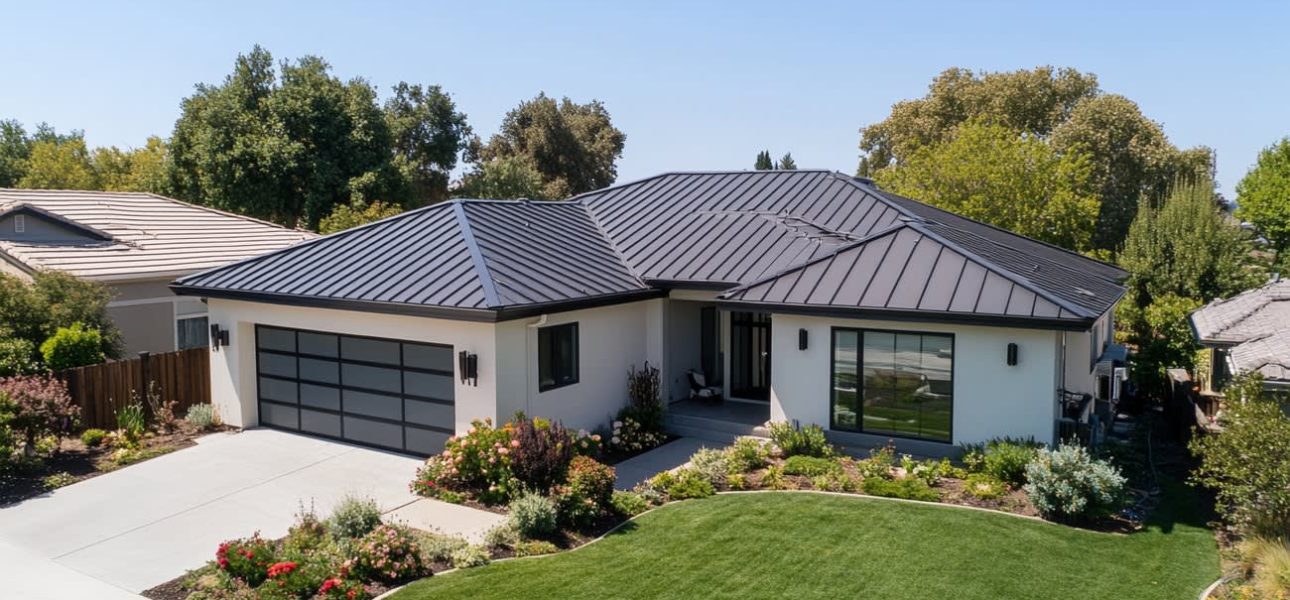
Metal roofing has become increasingly popular across Georgia for homes and light commercial buildings. Yet despite its growth, outdated assumptions still hold some homeowners back. Let’s clear the air and break down seven of the most common myths about metal roofing.
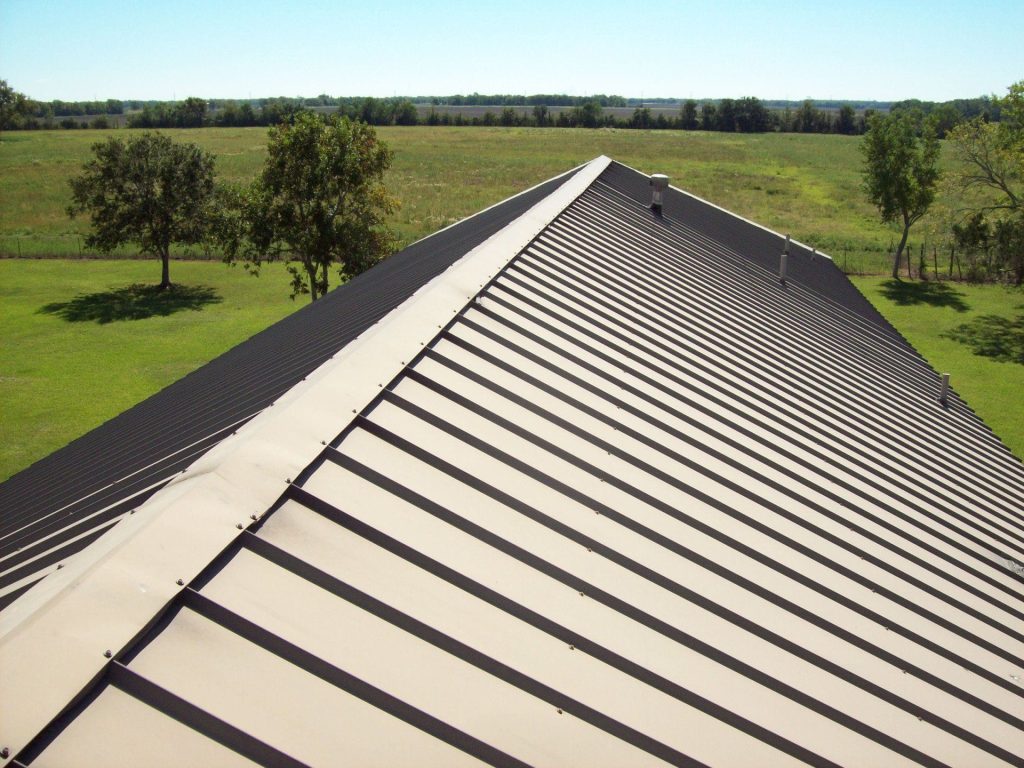
Myth 1: Metal Roofs Are Loud in the Rain
One of the most persistent myths is that a metal roof sounds like a tin shed during a storm. In reality, modern metal roofing systems are installed over solid decking with underlayment and insulation.
When properly installed, a metal roof is no louder than asphalt shingles. In many cases, it can even be quieter because the solid sheathing and insulation dampen sound effectively.
Myth 2: Metal Roofs Attract Lightning
Metal does conduct electricity, but it does not attract lightning. Lightning strikes the highest point in an area regardless of material.
In fact, metal roofing can be safer during a lightning strike because it is non-combustible. If lightning does strike, metal roofing disperses energy and will not ignite like combustible materials can.
Myth 3: Metal Roofs Rust Easily
Modern metal roofing panels are engineered with protective coatings such as galvanized or Galvalume finishes. These coatings prevent corrosion and significantly extend lifespan.
High-quality metal roofs are also finished with baked-on paint systems designed to resist fading, chipping, and chalking. When properly installed and maintained, rust is rarely a concern.
Myth 4: Metal Roofs Make Homes Hotter
Many homeowners assume metal absorbs heat and transfers it into the home. The truth is the opposite.
Metal roofs reflect solar radiant heat. Many systems include reflective coatings that reduce heat absorption, lowering cooling costs during Georgia summers. Proper attic ventilation further enhances energy efficiency.
Myth 5: Metal Roofing Is Only for Commercial Buildings
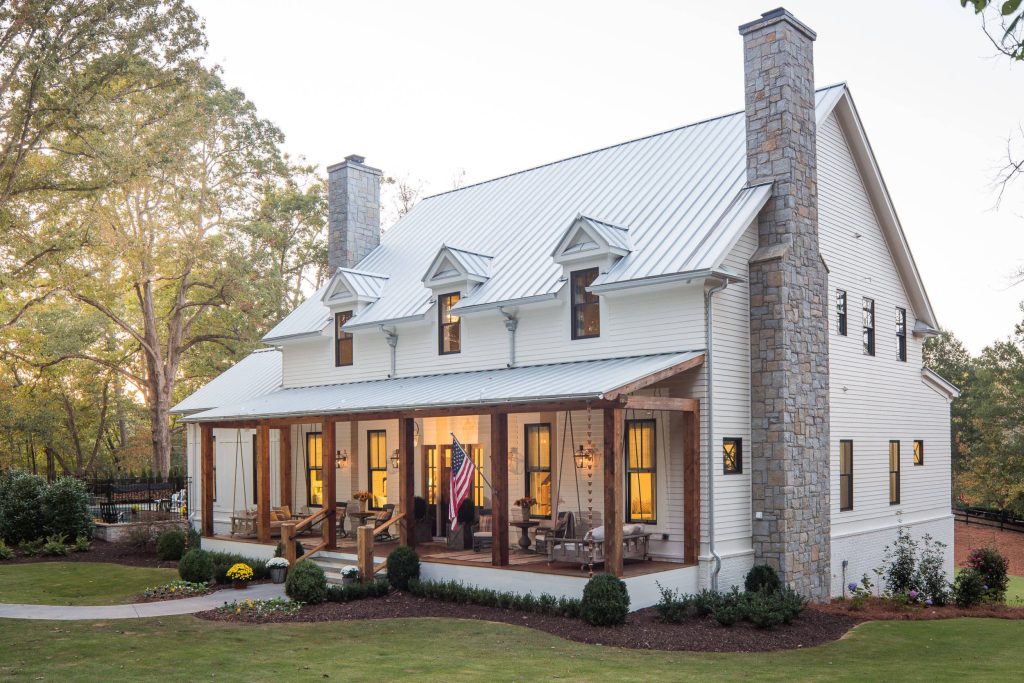
Decades ago, metal roofing was mostly seen on barns and warehouses. Today, residential options include standing seam panels, metal shingles, and architectural profiles that complement traditional, farmhouse, and modern home designs.
Metal roofing now enhances curb appeal rather than detracts from it.
Myth 6: Metal Roofs Are Too Expensive
While metal roofing typically costs more upfront than asphalt shingles, the long-term value often outweighs the initial investment.
Metal roofs can last 40 to 70 years or more, compared to 15 to 25 years for traditional shingles. They also require less maintenance and may reduce energy bills. When viewed over the lifespan of the roof, metal is often more cost-effective.
Myth 7: Metal Roofs Are Difficult to Maintain
Metal roofs are actually low maintenance. They resist cracking, shrinking, and erosion. They also shed rain and debris efficiently.
Routine inspections and occasional cleaning are usually sufficient to keep a metal roof performing well for decades.
The Bottom Line
Metal roofing has evolved dramatically over the years. Modern systems are durable, energy-efficient, aesthetically versatile, and built to withstand harsh weather conditions common in Georgia.
Most concerns surrounding metal roofing stem from outdated information. When properly installed by experienced professionals, a metal roof can be one of the smartest long-term investments for your home.
If you’re considering upgrading your roof, separating fact from fiction is the first step toward making an informed decision.